Multiple cars at a stop light in downtown Miami where people are wondering why auto insurance rates are going up.

Auto Insurance Rates Rising? Let Us Help You Save!

When most people think of Risk Smart Advisors powered by John Galt Insurance, they think homeowners insurance. But you guessed it, we offer competitive auto insurance rates too! And with insurance rates rising across the board, now is the perfect time to check in and see how we can help you save.

Why Are Auto Insurance Rates Going Up?

If you’ve noticed your premiums creeping up, you’re not alone. Several factors are driving these increases, including:

  • Higher repair costs: Newer cars come with advanced technology, which is great for safety, but costly to repair.
  • More accidents: A rise in the number of claims means insurers are paying out more, and those costs get passed down to customers.
  • Inflation: Everything from medical bills to car parts is more expensive, which contributes to higher insurance costs.
  • Severe weather: Natural disasters and unpredictable weather events lead to more claims, impacting auto insurance rates.

How Can You Lower Your Auto Insurance Costs?

Many drivers are wondering why are auto insurance rates going up, but here’s the good news: while rates are rising, you don’t have to settle for paying more. At Risk Smart Advisors powered by John Galt Insurance, we work with 10 top-rated insurance companies, including Progressive, Travelers, Safeco, Allstate, and Mercury, to name a few. This gives us the ability to shop around and find the best coverage at the best price, customized for your needs.

In fact, we often find we’re able to beat the rates of well-known carriers like State Farm and Geico—especially for families with young drivers, who often face higher premiums.

Why Should You Care About Our Multiple Insurance Options?

Having access to multiple insurance providers means more competition, and that’s always a good thing for you. By allowing us to shop for your auto insurance, we can leverage the best rates and coverage options from our trusted network of carriers. Just like we do with your homeowners insurance, we’ll ensure you’re getting the best value possible.

And if it turns out you’re already in the best spot with your current provider, we’ll tell you that. No pressure—just peace of mind knowing that you’re covered.

Let’s Review Your Auto Policy Together

Here’s what we suggest:

  • Let’s review your current auto insurance policy to make sure everything is in order.
  • We’ll check for better coverage for a lower price by comparing quotes from multiple top-rated providers.
  • If we can save you money or offer better protection, great! We’ll walk you through the switch.
  • If you’re already in the best situation, we’ll let you know and suggest you stick with your current carrier.

Either way, you’ll have the confidence of knowing you’re making the best choice for your insurance needs.

Why Risk Smart Advisors powered by John Galt Insurance?

At Risk Smart Advisors powered by John Galt Insurance, we’re not just here to help with homeowners insurance. We’re your one-stop shop for all your insurance needs, and we’re committed to finding you the best rates and coverage—whether it’s for your home, auto, or beyond.

Let us do the heavy lifting for you. If you’d like us to review your auto insurance policy, simply get in touch and we’ll start working for you right away.

A two-story house with a white picket fence, a front porch, and an American flag hanging by the entrance, surrounded by trees and neatly trimmed shrubs.

The Right Way to Insure Your New U.S. Life

Whether you’re new to the States or investing in U.S. property for the first time, navigating American insurance can feel a little overwhelming. The good news? You don’t have to go it alone. We’ve got insider tips to help make insuring your new life—and everything you love about it—a breeze.

Here’s what you need to know about essential coverages, the unique aspects of the U.S. market, and how to make sure you’re set up for smooth sailing.

Key Coverages Every Newcomer Should Know

When settling in the U.S., three types of insurance are especially important: auto, home, and liability. Auto insurance is required in every state, although specific coverage requirements vary, especially for newcomers. Shopping around or finding insurers that cater to foreign drivers is critical. For homeowners, protecting your residence is essential—especially if your property is held in an LLC or if you’re renting it out, as this impacts liability and coverage needs. Additional liability insurance, like umbrella policies, can also offer extra protection for higher-value assets but may be limited for non-U.S. residents. Starting with these basics will help you protect what matters most as you start fresh in the U.S.

Essential Tips for Navigating the U.S. Insurance Market

Once you’re familiar with the types of insurance you’ll need, these tips can make your experience easier and more efficient:

  1. Find a Trustworthy Insurance Provider. Reliable, reputable insurers with strong customer support are key. Some international insurers offer options tailored to foreigners and investors, making the process smoother.
  2. Understand U.S. Legal Requirements. Familiarizing yourself with local regulations can help you avoid unnecessary fees or coverage issues.
  3. Consider Language & Claim Support. Language can be a barrier for many newcomers. If that’s the case for you, connect with insurers who offer multilingual customer service and digital claims options that can simplify communications and speed up claim approvals.
  4. Prepare Documentation. Be ready with documentation, including proof of income or banking details, as U.S. insurers often request this for policy approval.

Unique Challenges Foreign Investors Face Investing in U.S. Property

Investing in U.S. properties from abroad comes with some added challenges, but with the right knowledge, these are easy to manage:

  1. Higher Premiums: Foreign investors may face higher premiums due to perceived risks, like longer vacancy times. Having a plan for periodic check-ins or property management can help lower costs.
  2. Limited Policy Availability: Not all policies are open to non-U.S. residents. While some insurers may not offer liability or umbrella policies, some specialty insurers have options for this market.
  3. Additional Vacancy Considerations: If your property will be vacant for extended periods, some policies require higher premiums or specific vacancy riders to cover potential risks.

Need Help Insuring Your American Dream?

At RiskSmart Advisors powered by John Galt Insurance, we’re here to help you make your U.S. investment journey as smooth as possible. We understand the unique needs of newcomers and foreign investors and know the ropes of finding the best options for you to start. investing in U.S. property. Ready to protect what matters? Reach out, and let’s talk about insuring your American dream!

Protecting What Matters Most in the Year Ahead

As we say goodbye to 2024 and welcome a brand-new year, it’s a time to be grateful for this year’s experiences, plan for what’s ahead, and reflect on what truly matters—family, friends, and the peace of mind that comes from knowing the things you cherish most are well protected.

Whether it’s your homeauto, boat, or those valuables that hold priceless memories, our mission is to safeguard what matters most to you. Peace of mind is the ultimate gift you can give yourself—and your family—this holiday season.

We know insurance isn’t the most exciting part of your holiday to-do list (we promise not to take it personally!), but it’s one of the most important. Here’s why:

  • Your Life Changes: Whether you’ve bought a new home, a car, or valuable items this year, it’s essential to ensure they’re adequately protected.
  • The World Changes: Storm seasons, inflation, and evolving risks can affect your current coverage. Stay ahead with policies that work for you.
  • Peace of Mind is Priceless: The best way to start 2025 is knowing that no matter what life throws your way, your insurance has you covered.

At RiskSmart Advisors powered by John Galt Insurance, we believe a new year is more than just resolutions; it’s about making sure you’re ready for anything it might bring. As you set your resolutions for 2025, let us help you start the year off right with expert guidance and a personalized approach to your insurance needs.

Let’s Start 2025 Together

As you raise a glass to new beginnings, let us raise the bar on how protected you feel in the year ahead.

Cheers to a safe, secure, and joyful New Year from all of us at RiskSmart Advisors powered by John Galt Insurance! Thank you for trusting us to protect what matters most.

A man holding a door open while smiling, with two other men entering a house carrying luggage.

Simplified Insights: Secure Your Rental Investment Now

Short-term rentals are having a moment. Whether it’s a charming condo on the beach or a sleek city apartment, more homeowners are turning their properties into short-term rental goldmines. But here’s the catch: securing short-term rental insurance isn’t as simple as slapping your property on your standard homeowner’s policy.

If you’re venturing into the short-term rental world—or helping your clients navigate it—it’s crucial to understand how insurance plays a role in protecting both property and profits. Let’s break it down.

Short-Term Rentals: What Makes Them Unique?

Unlike long-term rentals, short-term rentals (think Airbnb and Vrbo) see frequent guest turnover. While this can mean higher revenue potential, it also introduces unique risks like:

    • Higher Liability Risks: Guests you’ve never met staying for a weekend? That’s a whole new level of liability exposure. Injuries, property damage, or other unexpected events can lead to costly claims.
    • Frequent Wear and Tear: More guests = more cleaning, maintenance, and inevitable wear on the property.
    • Insurance Gaps: Standard homeowner’s insurance isn’t designed for business use, which means many claims could be outright denied.

The Cost of Skipping the Right Coverage

Here’s the reality: if you rely on your regular homeowner’s policy for a short-term rental, you could be playing a risky game. Many policies exclude coverage for rentals altogether. This means if something goes wrong—say a guest starts a kitchen fire or slips climbing out of your pool and injures themselves—you could be left footing the bill.

Specialized short-term rental insurance fills these gaps, offering coverage for:

  • Property damage caused by guests
  • Liability risks associated with guests
  • Lost rental income due to covered property damage

What to Look for in a Short-term Rental Insurance Policy

Finding the right coverage doesn’t have to be overwhelming. When comparing options, focus on:

  • Comprehensive Liability Coverage: Protects you if guests sue for injuries or damages.
  • Loss of Income Protection: Covers lost revenue if your property is temporarily unusable.
  • Guest Damage Coverage: Ensures you’re not out of pocket for accidents caused by guests.
  • Flexible Coverage Terms: Policies that adapt to the frequency and seasonality of your rentals.

Curious about the right coverage for your short-term rental? We’re here to answer your questions and help you explore options tailored to your needs. At RiskSmart Advisors, we specialize in guiding property owners through the complexities of short-term rental insurance. Whether you’re new to the game or a seasoned host, we’ll make sure you’re protected so you can focus on what you do best: maximizing your rental’s potential.


Our team looking at a group of documents to find hidden costs in your insurance policy

Hurricane Protection: How to Prevent Hidden Costs in Your Insurance Policy

The Fine Print Gotchas and Hidden Costs in Your Insurance Policy That Can Cost South Floridians Thousands After a Hurricane

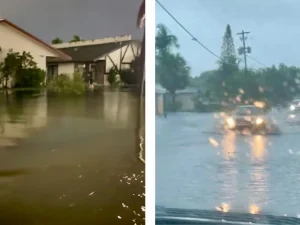
Living in South Florida means knowing hurricane season is a waiting game. Hurricane Erin may have stayed out at sea, but the rough surf it brought to the east coast was a reminder. All it takes is one storm, and we are still in the thick of the season through November.

Most homeowners glance at their policy and think, “I’m covered if a storm hits.” The reality is often different. Storm damage and flood claims are just the beginning. The fine print is where the real surprises hide, and those surprises can be expensive.

Here are ten of the most common gaps we find when reviewing policies for South Florida homeowners.

Additional Living Expenses (ALE)

If your home is uninhabitable after a storm, ALE is what helps cover hotels, meals, or a temporary rental. On paper, the coverage looks fine, but many policies cap it at $5,000 or $10,000. In today’s South Florida rental market, that could be gone in just a few weeks, long before your home is livable again.

Replacement Cost vs. Actual Cash Value (Contents)

Your personal property like furniture, electronics, and clothing may be insured at actual cash value, which means depreciation cuts down the payout. That $2,000 sofa you bought could only be valued at $300 after a loss.

Upgrading to replacement cost coverage is a smart move, but even then the process is not always straightforward. Insurers often pay the depreciated amount first. To recover the rest, you need to replace the item and submit receipts. If you do not, you only receive the lower amount. Think of it as a two-step dance — one most homeowners do not realize they signed up for.

Roof Settlement Schedules

While your home itself is usually insured at replacement cost if you have a mortgage, some carriers in Florida have added roof settlement schedules. This is what we call a fine print gotcha. If your roof is older than a certain age, the insurer may only pay part of the replacement cost or downgrade it to actual cash value. That can turn into a very expensive surprise.

Ordinance & Law (Building Code Upgrades)

Florida’s building codes get stricter every few years. If your home is older and you do not have ordinance and law coverage, you could be paying out of pocket for things like impact windows, new roof straps, or updated electrical work. These are upgrades required by code, and they can add up quickly.

Pool Enclosures and Outdoor Structures

Screened enclosures, fences, docks, and detached garages are part of life here. They are also often limited or excluded under standard policies. Do not assume the “other structures” section gives you enough coverage.

Special Deductibles

Hurricane deductibles, windstorm deductibles, flood deductibles. Some policies also use a percentage of your dwelling value as the deductible. On a $500,000 home, a 5 percent hurricane deductible means you pay $25,000 before your policy even responds.

Sewer and Drain Backups

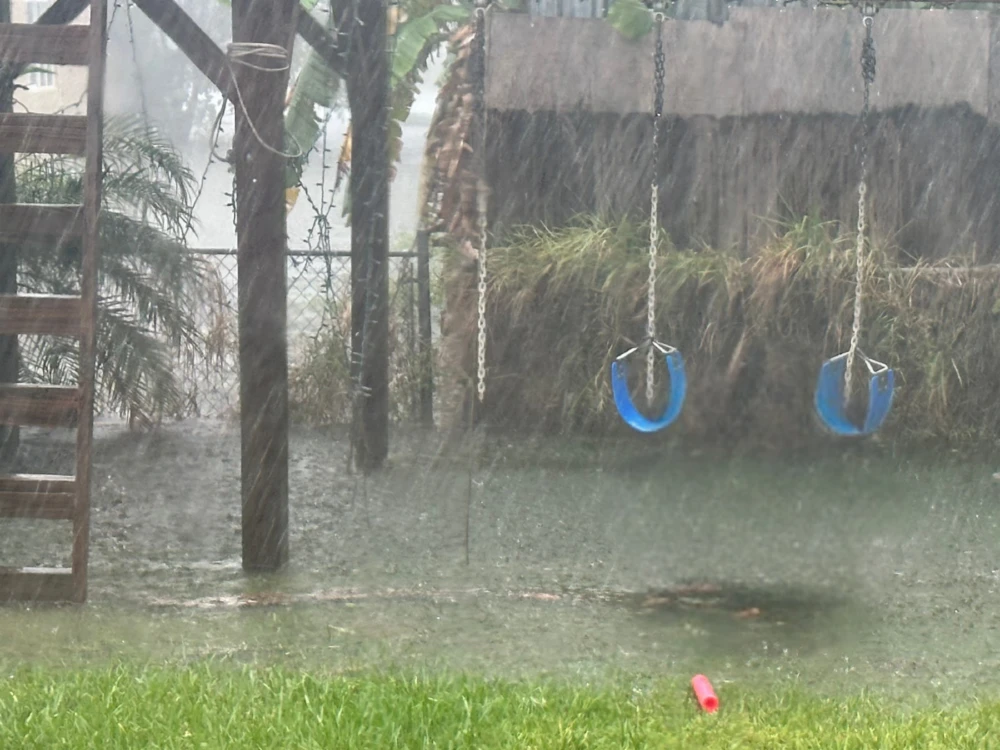
After heavy rains, it is not unusual for drains to back up or sump pumps to overflow. Most standard policies exclude this, but coverage is available as an add-on. Without it, you are paying out of pocket for cleanup and repairs.

Mold, Condensation, and Water Intrusion

Mold after storm damage, condensation around an air handler, or water seeping into drywall. Most policies put a hard cap on coverage, sometimes as low as $10,000. In reality, remediation often costs far more.

Most policies also include a duty to protect your property after a loss. That means doing what you reasonably can to prevent further damage. But if you have evacuated and cannot get back right away, moisture can build up and mold can spread fast. Those delays can create gray areas in a claim, which is why it is so important to understand your coverage limits before the storm.

Food Spoilage After Power Outages

Hurricanes often bring extended power outages. Many policies only offer a few hundred dollars of coverage for food spoilage. That is not enough to replace a refrigerator full of groceries, let alone a freezer.

High-Value Items and Specialty Collections

Jewelry, fine art, collectibles, wine, or musical instruments are usually capped at low limits unless scheduled separately. If you have invested in these items or upgraded your home, make sure your coverage reflects it.

Don’t Make Yourself Vulnerable

A hurricane does not just take out roofs and flood living rooms. Sometimes the real financial strain often comes from the fine print. These exclusions, limits, and depreciated payouts are what leave families scrambling after the storm has passed, even if they didn’t suffer “major” damage.

Erin may not be the storm that hits us, but hurricane season is far from over. The smart move is to ask yourself now: Do I really know what my policy covers, or am I just assuming?

📃Open your policy and take a look. If something leaves you unsure, email it to me and we’ll turn that uncertainty into confidence together.

When Your Auto Rate Drops and Mysteriously Drops Again!

It sounds like the kind of problem you’d love to have: your insurance renewal comes in, and for once the number isn’t going up, it’s dropping. A lot. But what happens when another company swoops in with an even lower offer? How do you know what’s real, what’s sustainable, and whether it’s the right move for your long-term strategy?

That’s exactly what happened to a client who came to us recently.

The Setup: A Better Renewal Than Expected

Our client had a not-so-perfect driving record but was steadily working to clear it up. Out of the blue, their six-month renewal came in from a major national carrier with a rate reduction of more than $2,000. Naturally, they were thrilled.

The Curveball: Another Company Wants In

Before they could celebrate, another national carrier reached out directly, claiming they could beat the renewal. And sure enough, their quote came in even lower.

Here’s where it gets interesting: this client already had coverage without an agent, and the second company was contacting them directly. Technically, they could have made the decision entirely on their own. But instead, they came to us for advice. Why? Because numbers aren’t the whole story.

Why an Advisor Still Matters (Even If You Buy Direct in the End)

We took their scenario to market. With the accident history on the table, most carriers declined outright. Those who didn’t offered rates significantly higher than either of the two big quotes. Based on that, our recommendation was simple: the second company’s offer was the best move.

But the real value wasn’t just validating the choice, it was building a strategy. Together, we looked at:

  • Accident history: Several accidents would soon pass the three-year mark, which most carriers weigh heavily. That meant future savings were already on the horizon.
  • Teen driver planning: We weighed when the right time would be to add their new driver, considering when those accidents would no longer count against the household.
  • Accident forgiveness: We explored whether certain carriers might offer this benefit, essentially “insurance for your insurance costs.” With the client’s accident history, it could have been worth paying a little more now to avoid a future rate hike if another accident occurred.
  • Bundling: We considered how combining policies could change the math and potentially open new savings.
  • Coverage check: We verified that the new quotes matched the client’s existing coverage. Sometimes a lower premium isn’t a true savings, it just means reduced protection.  Making sure coverages were consistent gave the client confidence the auto rate drop wasn’t coming at the expense of their insurance.
  • Market timing: Florida’s auto market is shifting, and while rates are easing for some drivers, knowing when to re-shop is key.
  • Transparency: We explained why most carriers declined to quote at all, something you rarely hear directly if you’re shopping on your own.

The Uneasy Part: Getting Contacted Directly

It also felt unsettling for our client to get approached out of the blue with such a big price drop. We validated that instinct: it is unusual. But with the context of underwriting, accident history, and current Florida market conditions, we could confirm the offer was both legitimate and worth taking.

Checking Your Own Record

One of the most useful steps you can take is requesting your own driving and claims history. This is what carriers are looking at when they decide your rate, and mistakes aren’t uncommon.

Here are the two main reports to know about:

  • Motor Vehicle Report (MVR): Request a copy through the Department of Highway Safety and Motor Vehicles (DHSMV in Florida). It lists accidents, violations, and points.
  • Comprehensive Loss Underwriting Exchange (CLUE) Report: This nationwide database tracks insurance claims. You’re entitled to one free copy per year at LexisNexis.

If you spot an accident that should have fallen off, or a claim that’s coded incorrectly, you can:

  1. Dispute it with the source: For MVR issues, contact your DHSMV. For CLUE reports, you can file a dispute directly through LexisNexis.
  2. Provide documentation: Police reports, letters from your insurance company, or proof of dismissal for tickets can all help.
  3. Recheck after corrections: Once corrected, request an updated copy and keep it for your records.

We help clients not only pull these reports but also understand how carriers interpret them, and whether cleaning up an error could save them money.

The Takeaway

Even if you end up buying direct, you don’t have to make the decision in a vacuum. Direct offers can be tempting, but the lowest number isn’t always the smartest move, and sometimes it is. The difference lies in knowing the bigger picture.

That’s where having a true insurance advisor matters. We don’t just chase quotes; we help you understand how your driving history, household changes, and market shifts work together, so your decisions today set you up for tomorrow.

📞 Curious whether your rate makes sense? Or wondering when to put a teen driver on your policy? Let’s talk.

How to Lose Your Home Without Ever Missing a Mortgage Payment (And the Simple Way to Make Sure You Never Do)

You can make every mortgage payment on time.

You can have spotless coverage on your home and car.

And you can still lose it all because of someone else’s lawyer.

That’s not an exaggeration. It’s what happens when your liability coverage ends before the bills do.

When “Fully Covered” Isn’t Always Fully Protected

Most homeowners don’t realize how quickly liability limits can be reached in a serious claim.

If you carry the standard $300,000 to $500,000 in personal liability coverage, you’re protected, but only up to that amount. And in today’s Florida market, that may not stretch as far as you think.

Imagine this:

  • A guest slips by your pool and suffers a serious injury.
  • Your teenager causes a multi-car accident.
  • Your dog bites someone on a walk.
  • A delivery person trips on your driveway and needs surgery.

Each of these scenarios can trigger a lawsuit, and settlements in Florida often exceed standard liability limits. When your coverage maxes out, the rest comes out of your pocket.

Your home equity, your savings, your investments, and even your future income could all be at risk.

How to Lose Your Home Without Ever Missing a Payment

It’s not just about catastrophic accidents. It’s about small details that add up.

Here’s what happens:

  1. The judgment exceeds your policy limits.
  2. Your insurance pays what it can.
  3. You’re personally responsible for the rest.
  4. Attorneys can pursue your home, assets, or wages to settle the claim.

You could have done everything right and still lose what you’ve built.

The Smart Fix: Umbrella Coverage

Umbrella insurance is exactly what it sounds like: an extra layer of protection that sits on top of your existing home and auto policies. When those limits run out, your umbrella policy steps in to cover the rest.

Think of it as backup coverage for your coverage.

How It Works

Let’s say you’re in a car accident and found responsible for injuries totaling $850,000. Your auto policy covers $300,000. Without an umbrella, you’d be on the hook for the remaining $550,000, which could mean dipping into savings, retirement funds, or home equity.

With an umbrella policy, that extra $550,000 is covered. Your auto policy pays first, and your umbrella picks up from there. The same applies to liability under your homeowners or renters insurance.

Umbrella coverage can extend across:

  • Auto policies for serious crashes or multi-car accidents
  • Homeowners policies for guest injuries, property damage, or dog bites
  • Watercraft or recreational vehicles
  • Rental and investment properties
  • Personal liability lawsuits such as libel, slander, or defamation claims

How to Choose the Right Amount

Most umbrella policies start at $1 million and can be increased in million-dollar increments. A good rule of thumb:

  • Add up the value of everything you own, plus your future income potential.
  • Your umbrella limit should at least equal that number.

Umbrella coverage is designed to protect both your assets and your earning power because a lawsuit doesn’t just threaten what you have today, it can jeopardize what you’ll earn tomorrow.

The Best Part

It’s more affordable than you might think. A quick quote can show how a little extra protection can go a long way when it matters most.

A Quick Note About Property Damage

Umbrella coverage extends your liability protection, not your property coverage. It won’t cover damage to your own home or belongings from events like floods, hurricanes, or leaks. Those risks are handled through your homeowners or separate flood insurance. Umbrella insurance is designed to protect your finances if someone else’s property or health is affected — not to repair your own.

Who Needs Umbrella Coverage?

If any of these sound like you, it’s worth reviewing your coverage:

✅ You own a home or condo with equity.

✅ You have a pool, dog, or teenage driver.

✅ You host guests regularly.

✅ You rent out a property or run a small business.

✅ You drive often in busy South Florida traffic.

If you checked even one box, umbrella coverage isn’t extra. It’s essential.

Protection That Keeps Up With Your Life

At Risk Smart Advisors, we help clients close coverage gaps before they become problems.

We review your policies with clarity, explain what each limit actually protects, and help you make smart, affordable decisions about coverage that fits your life today.

Because protecting your home should mean protecting everything you’ve built around it.

📞 Let’s talk. We’ll walk you through what an umbrella policy can do for you and make sure your coverage keeps up with your life. Concerned that a friend or family member might not be fully protected? Share this with them so they can make sure their coverage keeps up with their life too.

A Holiday Thank You and a First Look at New Tools Coming in 2026

If you work in South Florida real estate, you didn’t just survive 2025. You performed a minor miracle, truly. Tight timelines, last minute underwriting curveballs, buyers discovering roof ages they really didn’t expect, and the occasional inspection surprise, even in a year without landfalling storms.

Through all of it, you still kept deals moving and clients calm, which is no small feat in this market.

Before the year ends, we just want to say: thank you for trusting us with your clients, your contracts, and your questions.

Every time you looped us in early or reached out to clarify an inspection note or an insurance question, you reminded us why we love being part of your process.

And because we want to make your job even easier next year, we’re working on something new for 2026.

Coming Soon: Co-Branded Guides You Can Share With Your Buyers

Next year, we’ll be rolling out a series of clean, helpful, client friendly guides that you can share at showings, during buyer consultations, or right after going under contract. These guides are designed to give your buyers accurate, simple language they can actually understand, and to make your conversations smoother without you needing to play insurance interpreter at the kitchen table. We believe confident buyers make confident offers, and that is good for everyone.

You’ll see topics like:

  • Understanding hurricane deductibles
  • What buyers should know before falling in love with a home
  • Your buyer’s insurance check-in
  • Flood basics buyers can actually understand
  • Moving-week insurance reminders

Each one will be short, simple, and easy for your clients to digest. And while the guides are our first focus for 2026, we’re also exploring other co-created resources to complement them. More on that soon.

Of course, if you’re a homeowner or buyer who wants a copy for your own planning, just tell us. We’re happy to share anything we create.

Thank You for a Year of Trust, Conversations, and Closings

We’re grateful for this year and for every conversation, every question, and every moment you trusted us to bring clarity to a complicated part of the deal. You care deeply about your clients, and we’re honored to be the team you trust to help keep things calm, clear, and moving forward.

As we look ahead to 2026, we’re excited about the new tools we’re creating to support you and your buyers. If you’d like to share ideas, or you want to be included when the first guides are ready, just reply and let us know. We’d love your input as we build out these resources.

Wishing you a holiday season full of rest, warmth, and good company. Here’s to a new year where insurance feels a little easier for everyone.

  Keep Your Closings On Track With The Best Insurance Partner

If you work in South Florida real estate, this will probably sound familiar.

Is insurance getting in the way of your closing?

A deal is moving along fine, timelines feel reasonable, and everyone is doing what they’re supposed to do. Then, insurance becomes the thing that slows everything down. Not because the buyer isn’t motivated or the agent forgot about it, but because communication gets fuzzy right when clarity matters most.

When that happens, you’re the one explaining why something is taking longer than expected or why a new question popped up late, even if none of that was in your control. More often than not, it traces back to a vendor who went quiet or gave an answer that created more questions than it solved.

That’s where reputations get tested.

Fast Quotes Are Helpful. Clear Communication Is What Moves Deals.

We’re not anti-speed. Quick quotes matter, especially in this market. But speed alone doesn’t keep a transaction on track.

What actually helps is knowing what’s happening, what isn’t, and whether something needs attention now or can wait. Agents don’t need constant updates, but they do need clear, reliable information. When that’s missing, people start filling in the gaps, small issues grow, and you’re left chasing answers instead of moving the deal forward.

You feel the difference immediately.

Why We’re Building Co-Branded Guides for Agents

That’s why we’re building simple, co-branded guides agents can share with buyers and sellers when it makes sense. These aren’t meant to be marketing pieces or deep dives. They’re meant to answer the questions that almost always come up, usually at the least convenient time.

The goal is to make conversations easier and timelines smoother, not to add another thing to manage. If buyers understand the basics earlier, there’s less panic later, and fewer surprises mid-transaction.

If you’ve ever found yourself explaining hurricane deductibles or inspection requirements while also juggling appraisal questions and closing dates, you already understand the value.

From a practical standpoint, it’s straightforward: You send us your logo, tell us what topics would be helpful, then we create the guide. Finally, you use it wherever it fits naturally into your process, whether that’s before an offer, during contract, or as part of your closing follow-up. There’s no system to learn and no extra work to manage.

Tools Only Work If the Partner Stays Involved

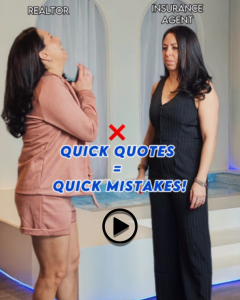
Quick quotes equals quick mistakes

A guide on its own doesn’t fix anything.

Co-branded tools only help if the insurance partner behind them is responsive, clear, and engaged throughout the transaction. Otherwise, the same communication gaps show up, just in a different form.

When an agent refers a client to us, we understand what that represents. It’s not just a lead. It’s trust, and it’s your name tied to how that experience goes.

We don’t take that lightly.

Why this Works

When insurance is handled well, it rarely gets noticed. It just supports the transaction.

That’s the goal.

If you want an insurance partner who communicates clearly, replies quickly, and stays involved from the first question through closing, let’s talk. We would be glad to be on your vendor list for upcoming deals and show you what working with a dependable insurance partner actually looks like.

And if you’re a buyer or homeowner reading this and want to make sure you’re working with a real estate agent who communicates well with the rest of your team, we’re always happy to refer you to agents we know and trust.

Avoid Last-Minute Insurance Surprises

Insurability in South Florida Real Estate: The Hidden Cost

Jackie's tips to Avoid Last Minute Home Insurance SurprisesKatherine's tips to Avoid Last Minute Home Insurance Surprises

In South Florida, insurance is no longer something you plug in at the end of a transaction and hope it works.

Florida remains one of the most expensive states in the country for property insurance, well above the national average. Recent data from the Florida Office of Insurance Regulation shows average premiums have climbed sharply over the past few years, with many homeowners seeing increases of 20–30% or more since 2022. Flood insurance is separate, and across Miami-Dade, Broward, and Palm Beach County, that can add another $1,000 or more per year depending on zone and elevation.

In this market, list price doesn’t tell the whole story.

A home can look affordable on paper and feel very different once the real insurance numbers come in.

Approved for the Price. Not Necessarily for the Payment.

We see this often.

A buyer is approved for $900,000. Maybe $1.1 million. The lender runs the numbers and everything looks fine.

But the insurance figure in that approval is usually a placeholder. It is not based on the specific roof, plumbing, flood zone, or mitigation features of the property they are about to buy.

If the real premium comes in $4,000 to $6,000 higher per year, that adds roughly $300–$500 a month to escrow. For some buyers, that’s the difference between comfortable and stretched. In tighter debt-to-income scenarios, it can affect loan approval.

The purchase price didn’t change. The true cost of ownership did.

Why the Seller’s Premium Is Not a Reliable Guide

Another common assumption is that the buyer will simply pay what the current owner pays.

That number is often misleading.

The seller may carry higher deductibles, lower dwelling limits, or a policy written under older underwriting standards.

Rebuilding costs in Florida have climbed in recent years due to material and labor inflation. New policies are priced on today’s replacement costs — not yesterday’s.

Insurance is rewritten at the time of purchase. The premium doesn’t transfer with the property. So, relying on the seller’s number can create a false sense of affordability.

The South Florida Details That Change Everything

Two homes with similar list prices can insure very differently. The difference often comes down to a few details. The real question is whether you know them before you list it or fall in love with it.

How old is the roof?
Not “it looks fine.” Not “it probably has a few years left.”
How old is it, exactly? What type is it? Shingle, tile, flat? When was it last inspected? In Florida, once a roof hits certain age thresholds, carrier options can narrow quickly. Some require documentation of remaining useful life. Without it, you’re not estimating insurance. You’re guessing.

Do you have a current wind mitigation report?
Not one from years ago. A current one. Do you know how the roof is attached? Whether there is secondary water resistance? Whether the openings qualify as impact-rated? Verified mitigation credits can materially reduce the wind portion of a premium. Without documentation, those credits often disappear. That changes the monthly number.

What electrical panel is in the home?
Do you know the brand and age? Has it been updated? Certain older panels can restrict carrier options or require replacement before binding. That’s not a conversation you want to have two weeks before closing.

What about the plumbing?
If there are cast iron pipes, how much has been replaced? Is there documentation? Any recent camera scope? Carriers watch water damage risk closely in South Florida. Even when coverage is available, uncertainty can mean higher premiums or tighter terms.

Do you know the flood zone?
Not just whether the current owner carries a policy. Do you know the FEMA designation? Whether the lender will require coverage? Flood insurance is separate from a standard homeowners policy and must be purchased on its own. If it is required, that additional premium becomes part of the monthly reality immediately.

None of these questions sound dramatic.

But if you can’t answer them clearly, you can’t realistically estimate what the home will cost to insure.

And that is where affordability shifts, sometimes by hundreds of dollars a month.

Sellers Feel This Too

When a home has an aging roof, missing mitigation documentation, or systems that make underwriting tighter, the impact isn’t theoretical. Fewer buyers feel comfortable. Financed buyers recalculate the payment. Negotiations get heavier after inspection. Cash buyers gain leverage.

The instinct is often to adjust the price.

Sometimes that’s necessary. Sometimes it makes more sense to look at the insurance math first.

If replacing a roof stabilizes premiums in this market and opens up more carrier options, does that expand your buyer pool? If updating a panel removes an underwriting issue, does that prevent a credit request later? Those are decisions worth running before the home hits the market.

Not every property needs upgrades. But every seller should understand how the home insures before deciding how to price it.

Run the Numbers Early

Insurance shouldn’t be the last call made after inspection or a rushed quote two weeks before closing.

If you’re an agent, it can be as simple as saying, “Before we stretch here, let’s confirm what this one is going to look like from an insurance standpoint.” If you’re a seller, it can be, “Before we price it, let’s understand how it insures today.”

Running the numbers early doesn’t slow a deal down. It protects the deal.

At Risk Smart Advisors, we review roofs, mitigation reports, flood exposure, and underwriting issues before they become contract problems. The goal isn’t to complicate a transaction. It’s to keep expectations aligned and avoid surprises later.

In South Florida real estate, affordability isn’t just about price. It’s about insurability.

©2026 John Galt Insurance. All Rights Reserved.