

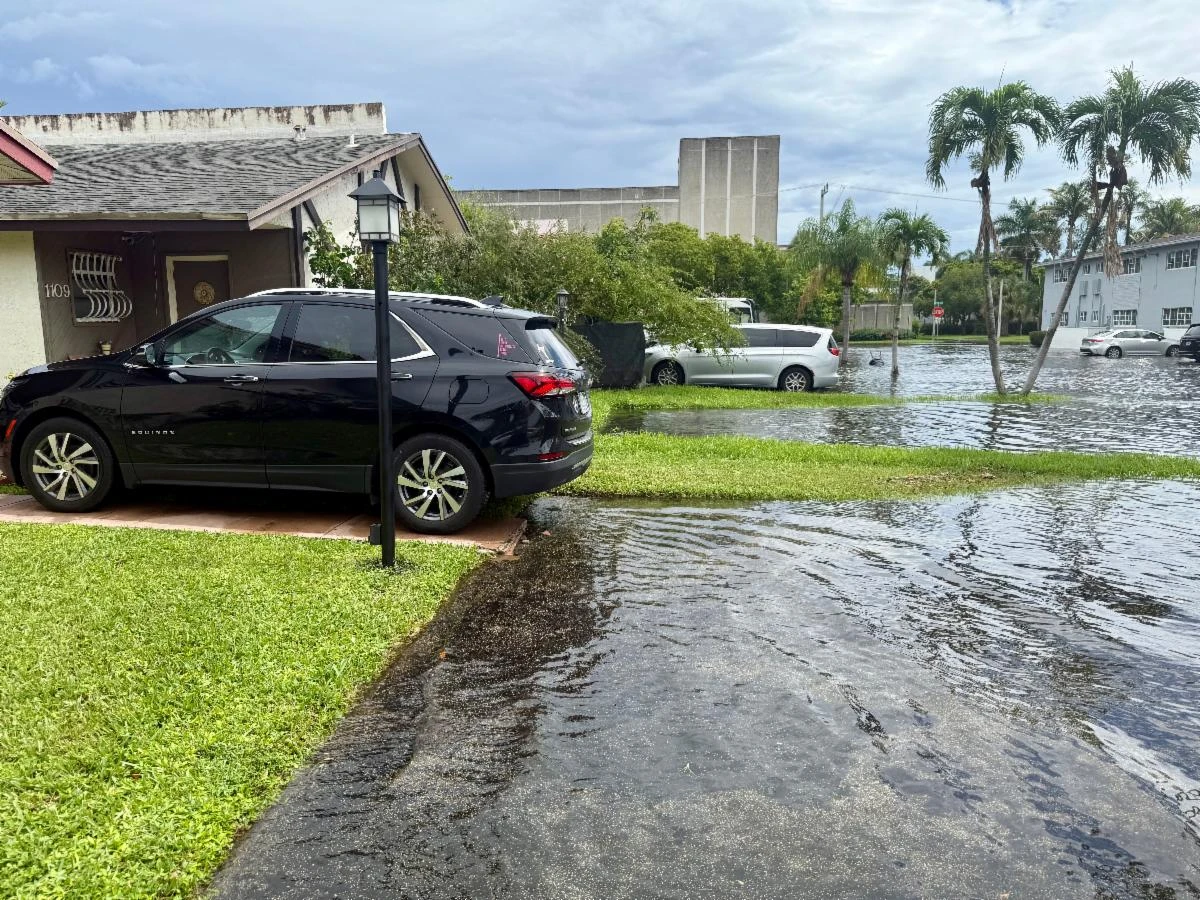
With king tide season putting streets underwater in parts of South Florida, your buyers may be asking a question that’s hard to answer with a simple yes or no: “Does this home flood?”
When a buyer asks about flooding, we want to know what’s behind the question. Are they worried about damage that’s already happened, what insurance will cost, or what they’d have to pay if it happens again?
As their Realtor, you can help them find those answers. We want to work alongside you from the start.
What happened at the home?
When your buyer sees water in the neighborhood, the immediate concern may be that the same thing could happen inside the home. A photo of a flooded street raises a fair question, but it doesn’t establish that water entered the property.
If the seller says there was flooding, there’s more to ask. Did water stay in the yard, or did it come into the garage or house? When did it happen? Has it happened again?
We’d also want to know where the water came from. A floor damaged by a broken pipe may look much like one damaged by rising water, but the coverage can be very different. If the cause isn’t clear, we can help identify what information is still needed before answering your buyer’s insurance questions.
Does “no claims” mean no damage?
A seller who says they’ve never filed a flood claim may still have experienced flood damage. They may have paid for repairs themselves or had no flood coverage at the time.
Your buyer may hear “no claims” as “no damage.” Those aren’t interchangeable.
Florida’s flood disclosure asks separately about the seller’s knowledge of flood damage during their ownership, insurance claims, and assistance received for flood damage. Sellers must provide it at or before the sales contract is executed.
If damage is disclosed without a claim, the next conversation is about what happened and how it was repaired. If the seller reports no known damage during their ownership, that answer doesn’t necessarily account for the home’s earlier history.
What was repaired, and what changed?
“It’s all been fixed” is a starting point. Available photos, remediation records, contractor invoices, permits, and inspection reports can show your buyer what was affected and what work followed.
If the seller replaced the floors after flooding, your buyer will probably want to know what keeps it from happening again. Was anything done to address how the water got in? If there was drainage work or another improvement, the records can help the inspector evaluate what was done and whether there are still concerns.
We’ll use those records to review the available insurance options.
If the inspection raises concerns, your buyer can use those findings to ask more questions or discuss repairs with the seller before moving forward.
Put coverage into the purchase decision
After the down payment and closing costs, your buyer may not have much left in savings for unexpected repairs. Flood insurance can help pay for covered damage, but the deductible needs to fit their budget, too. We’ll compare what each policy covers, what they’d pay out of pocket, and when coverage starts.
Under the National Flood Insurance Program, building and contents coverage are generally purchased separately, with separate deductibles. NFIP policies don’t cover temporary housing during repairs. Available private options may offer different terms.
We want your buyer to be able to say, “I know the annual cost, the deductible, and where I’d still be paying out of pocket.” That’s a much better place to make a purchase decision from. We can also coordinate with the lender to confirm that the proposed coverage meets its requirements.
Help your buyer move forward
You don’t need to have all the answers before you call us. Bring us the address and whatever information you have, and we’ll work through the questions with you and your buyer.